# Fullstack frameworks are back (thanks to AI)
Table of Contents
These notes are based on the YouTube video by Daniel Bergholz
Full Stack Frameworks and AI
Full stack frameworks are becoming popular again, thanks to the capabilities of Artificial Intelligence (AI). To take full advantage of AI, it’s essential to use it in a way that automates tasks such as code generation, testing, and result checking, enhancing development productivity.
Agentic AI
Agentic AI refers to AI systems that can autonomously perform tasks within defined environments. In the context of full stack development, this means leveraging AI tools and IDEs to assist with code generation, running tests, and even deployment, reducing manual intervention. These AI systems typically operate within sandboxed environments or with limited permissions for security reasons.
Benefits of Full Stack Frameworks
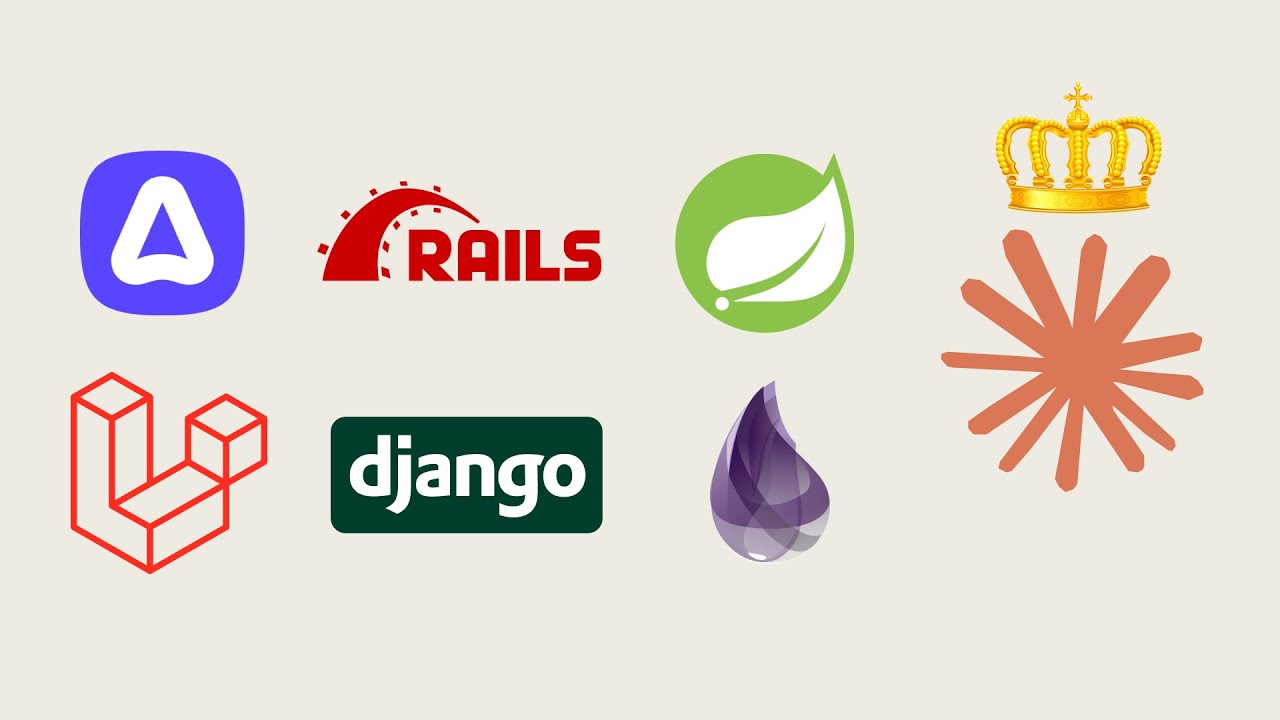
Using full stack frameworks like Phoenix, Laravel, or Django can simplify the development process when working with AI. These frameworks reduce the number of steps required to generate a full stack feature, making it easier for AI to handle the entire process from start to finish.
Complex Tech Stacks
On the other hand, complex tech stacks with multiple languages, frameworks, and APIs can make it challenging for AI to generate and test code. For example, a stack with a Node backend, Java microservices, and an Angular front-end can be difficult for AI to handle.
Simplifying the Tech Stack
To get the most out of AI, it’s essential to simplify the tech stack. By using a full stack framework, developers can:
- Reduce the number of steps required to generate a full stack feature
- Decrease the time spent on testing and debugging
- Optimize computational resources and costs associated with AI-driven development Some examples of simplified tech stacks include:
- Elixir with Phoenix and LiveView
- Ruby on Rails with a single-page application front-end
Example Use Cases
For instance, using Elixir with Phoenix and LiveView can simplify the development process. The steps involved in generating a full stack feature include:
- Creating a database migration
- Defining a schema
- Creating context functions
- Rendering the front-end with LiveView
# Example Elixir code for a schemadefmodule MySchema do  use Ecto.Schema  import Ecto.Changeset
  schema "my_table" do    field :name, :string    field :email, :string  end
  def changeset(schema, params) do    schema    |> cast(params, [:name, :email])    |> validate_required([:name, :email])  endend
Summary
In summary, using full stack frameworks with AI can significantly improve development productivity. By simplifying the tech stack and leveraging AI automation, developers can generate and test code more efficiently, reducing the time and resources spent on development. When choosing a tech stack, consider using full stack frameworks like Laravel, Django, or Phoenix to get the most out of AI-driven development. Additionally, tools like Playwright can be utilized for end-to-end testing of web applications, further streamlining the development process.